NHS Launches Largest AI Breast Screening Trial With Nearly 700,000 Women
England’s health service has launched the world’s largest trial of artificial intelligence in breast cancer screening, with nearly 700,000 women due to take part over the next three years. The National Health Service said on Monday that the £10 million programme will test whether AI assisted tools can help spot cancers earlier in routine mammograms and free up specialist clinicians. Recruitment has started at Cambridge University Hospitals, the first of 30 sites across the country, with more centres due to join soon.
The trial, known as EDITH, will examine whether an AI assisted reading tool can help clinicians review mammogram images more efficiently while keeping the safety and quality of the existing service. At present two specialists are needed to check each breast screening, but the trial will test whether most images need review by only one specialist when the AI tool is used alongside them. Women attending routine screening at the 30 sites will be given details and will take part unless they choose to opt out.
What The Trial Will Test
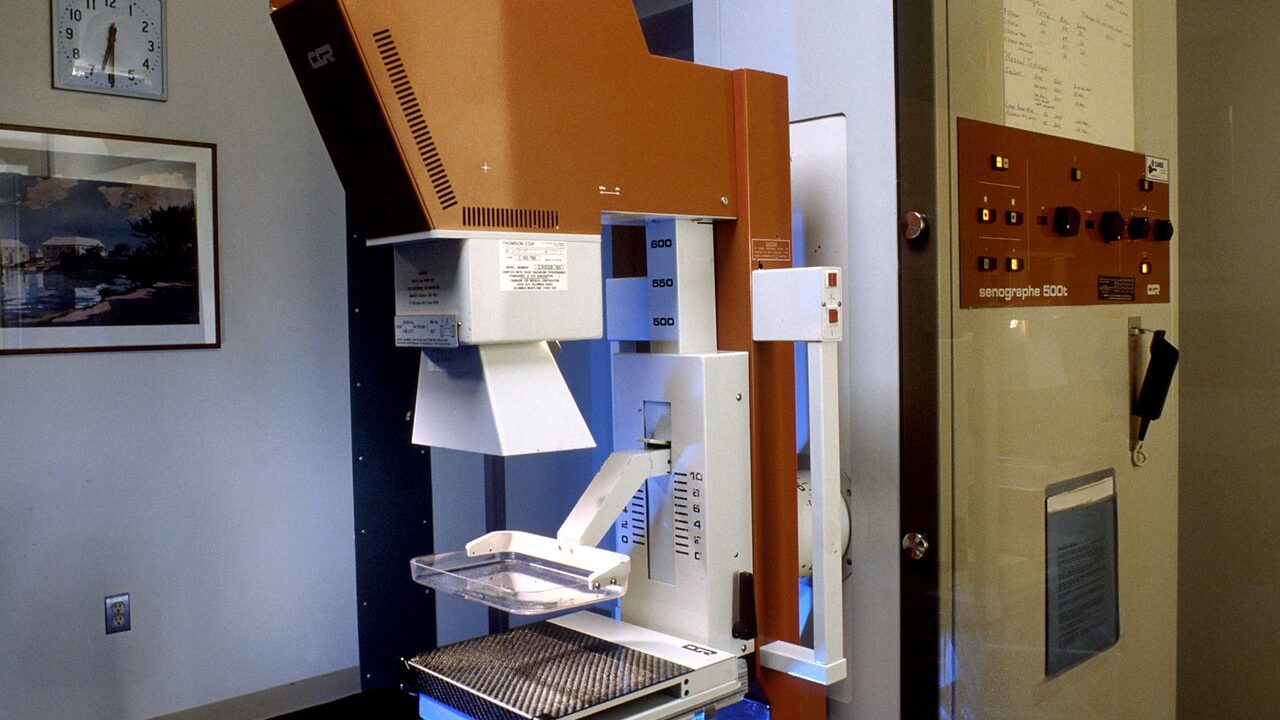
The AI tool will assist clinicians in reviewing images collected from routine mammograms, looking for cancers too small to see or feel. Health Secretary Yvette Cooper described the study as the biggest AI breast cancer trial in the world, and praised its huge potential while pledging proper safeguards. She said that if successful, it could help women get a diagnosis and start treatment much more quickly, giving them the best possible chance of recovery. The trial is led by the universities of Warwick and Cambridge with Cambridge University Hospitals NHS Foundation Trust and NHS England.
Breast cancer is the most common cancer in women, with around 55,000 cases diagnosed every year in the United Kingdom. Women aged 50 to 71 are invited for screening every three years, amounting to around 2.1 million screenings annually, and the NHS estimates that screening helps prevent around 1,300 deaths. A study published in The Lancet in January found that AI can improve breast cancer detection while reducing the workload on radiologists, after researchers analysed nearly 106,000 mammograms in Sweden. That evidence helps explain the interest in testing the approach at scale, although the new trial has yet to produce results.
Why Early Detection Matters
Early detection remains the strongest weapon against breast cancer, because treatment is more likely to succeed when a tumour is found before it can be felt or seen. The campaign to expand measles vaccination as the death toll rises shows how quickly health services must respond when coverage slips. Research also keeps opening new questions about the human body, from the way gut bacteria behave in space to the way screening technology can support busy clinics.