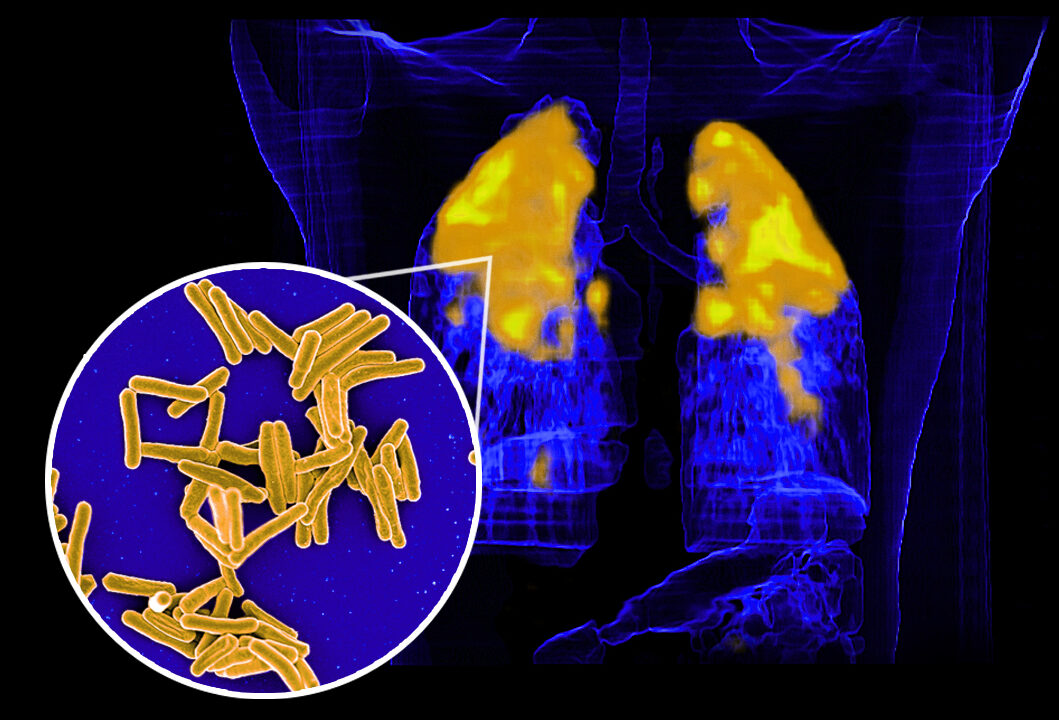
Global diagnoses of tuberculosis have risen to a record level while deaths from the disease have fallen, according to the World Health Organization’s latest reporting, summarized in this week’s international health coverage. The pairing sounds paradoxical; epidemiologists read it as the signature of a detection system finally catching up with a disease that has hidden in plain sight.
Tuberculosis kills more people than any other single infectious agent in most years, yet a large share of cases have historically gone undiagnosed — patients treated late, treated privately without notification, or never treated at all. When reported diagnoses climb while mortality falls, the most plausible reading is that health systems are finding cases earlier, when treatment is more effective and transmission can be interrupted. The alternative readings are less benign: a genuine rise in incidence driven by disrupted services, malnutrition, diabetes and conflict would push both curves up together. That deaths are falling as diagnoses rise points the other way.
The WHO’s framing emphasizes the unfinished work. Drug-resistant tuberculosis remains the hardest corner of the epidemic, with treatment that is longer, costlier and less certain than for drug-sensitive disease, and the global funding gap for TB programmes is a standing feature of the agency’s reports. The disease concentrates where health systems are thinnest and where poverty does its compounding work — crowded housing, poor nutrition and interrupted care.
There is also a measurement lesson in the headline. “Record diagnoses” is, in surveillance terms, often good news wearing alarming clothes; the number that should command attention is the gap between estimated true cases and reported ones, and that gap narrowing is precisely what a falling death toll alongside rising reports suggests.
The WHO’s message, compressed: the tools to end tuberculosis as a public-health threat exist. What the record diagnosis number measures is how much of the epidemic the world has been missing — and how much of it is still out there to find.
The financing argument shadows every paragraph of the WHO’s reporting. Tuberculosis research and delivery receive a fraction of the funding directed at newer health emergencies, despite a death toll that dwarfs most of them, because TB’s victims are concentrated in places with the least political voice in global health budgets. The record diagnoses figure arms both sides of that argument: optimists can say detection is finally working; funders can be asked why, if the machinery works, it remains starved. The disease itself is indifferent to the debate. It spreads on breath, thrives on delay, and will fill whatever gap is left between the diagnostic network the world has built and the one it has so far declined to pay for.