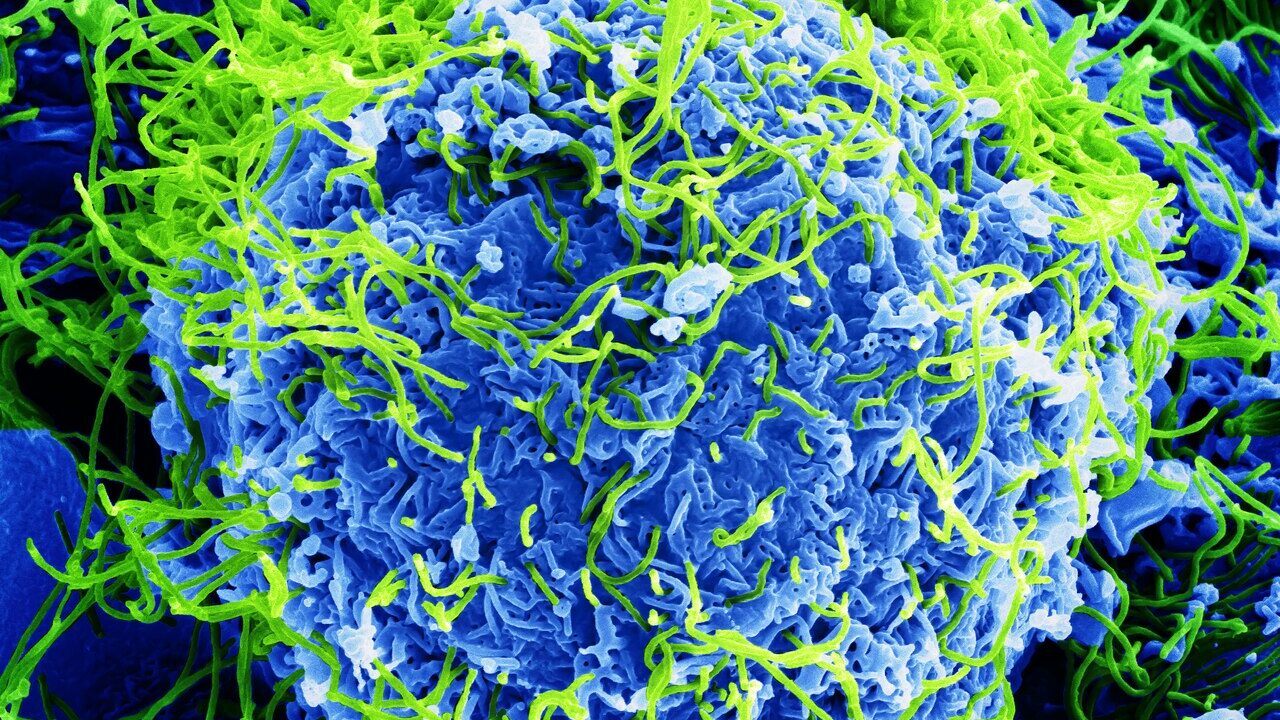
Kenya has reported its first death from Ebola, in a traveller who arrived from the Democratic Republic of Congo, according to regional health reporting this week, and authorities have stepped up contact tracing and screening in response. The case is an imported one — the category every East African health system has drilled for since the region’s outbreaks of the past decade taught their lessons at high cost.
The response sequence now under way is the standard choreography of Ebola containment, refined across the West African epidemic of 2014–2016 and the repeated Congolese outbreaks since: identify the case, isolate, list every contact from the chain of travel and care, monitor those contacts through the 21-day incubation window, and screen at the border points and transport hubs through which the patient passed. Ring vaccination — immunizing contacts and contacts of contacts with the vaccines developed over the past decade — is the tool that has changed what containment means, where supplies and consent allow.
The significance of a single imported case is less the case itself than what it tests. Surveillance is only real when it catches the first patient; a death identified as Ebola means the system worked at the hardest point, since Ebola deaths outside facilities are exactly how outbreaks seed themselves. The questions that follow are operational: how complete is the contact list, how fast were samples confirmed, and whether any high-risk contacts crossed into other districts or countries before the alert.
Regional officials have reason for practiced calm. Uganda, Tanzania and Kenya have each managed imported cases and cross-border alerts in recent years without sustained transmission, building laboratory and rapid-response capacity that did not exist a decade ago.
One death is a tragedy and a warning, not yet an outbreak. The next three weeks of tracing will determine which it remains.
The cross-border dimension will draw the region’s health officials into the coming days. The Congo–Kenya corridor carries traders, truckers and patients in both directions, and the patient’s journey will be reconstructed hour by hour to find the seats, wards and waiting rooms that define the tracing list. Neighbouring states have been notified through the regional mechanisms built for exactly this alert. None of this guarantees containment — Ebola’s history is a record of responses that were almost fast enough — but it describes a region that has converted bitter experience into procedure. The procedure now gets its examination, marked in the only currency that counts: whether day 21 arrives with no new names on the list.