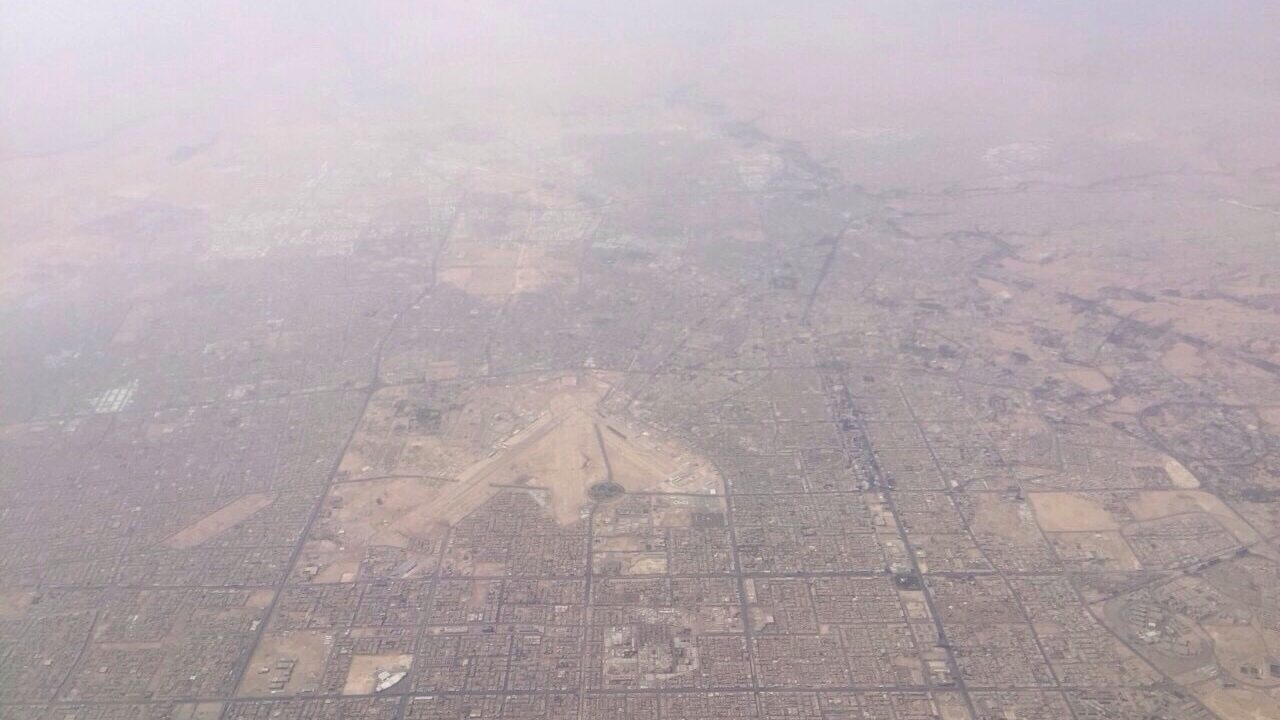
Saudi Arabia’s civil aviation authority said on Friday that a missile strike by Yemen’s Iran-aligned Houthi movement on Riyadh’s King Khalid International Airport killed three people and injured several others, in one of the most serious attacks on the Saudi capital’s main gateway in years. According to the authority’s account, the strike damaged a Saudi Airlines aircraft and sent smoke across parts of the airport, prompting a wave of flight cancellations to the capital.
The attack landed days before Riyadh is due to host a major gathering of global energy executives, a timing that sharpened its impact well beyond the airport perimeter. Regional reporting indicated that several international carriers suspended or rerouted services to the Saudi capital while authorities assessed security, and oil markets — already unsettled by the wider regional conflict — watched the development closely.
The Houthis, who control much of northern Yemen including the capital Sanaa, have repeatedly targeted Saudi infrastructure and Red Sea shipping during the broader regional war. Analysts say airport strikes carry a particular signal: they are designed to demonstrate reach, rattling civil aviation and the kingdom’s careful projection of itself as a stable hub for business, tourism and mega-events.
Saudi officials have not yet published a full casualty breakdown or a detailed damage assessment, and the figures in this report rest on the civil aviation authority’s statement as carried by regional and international wires. The Houthi movement had not, at the time of writing, issued a detailed claim matching the Saudi account, and claims from both sides in this conflict have a history of revision. Readers should treat early numbers as provisional.
What is clear is the escalation pattern. The strike comes amid a regional war now stretching across multiple fronts, with maritime insurance rates, airline routings and energy prices all reacting to each new demonstration of range. For Riyadh, the immediate questions are practical: how quickly normal operations resume at King Khalid International, what additional air-defence posture the kingdom announces, and whether retaliation follows. For the region, the larger question is whether attacks on civilian aviation infrastructure become a recurring feature of the conflict rather than an exception.
Media Rounds will update this story as Saudi authorities release confirmed casualty figures and as the Houthi movement’s own account becomes available.
The international reaction will be calibrated to the target. Civil airports occupy a protected place even in the rough customs of the region’s wars, and a strike that kills travellers and crews invites a different order of condemnation — and of legal consequence — than attacks on military infrastructure. Aviation regulators and insurers will render their own faster verdict in the currency of cancelled routes and repriced risk. For the travelling public, the practical question is narrower: which carriers resume Riyadh service, on what timeline, and under what security assurances. The kingdom’s answer, and the airlines’, will measure how deep the strike’s damage runs beyond the damaged aircraft on the tarmac.