The National Park Service has closed the Halema’uma’u Trail and a section of the Byron Ledge Trail indefinitely at Hawai’i Volcanoes National Park as Kilauea shows renewed unrest beneath its summit, according to the park’s announcement. The closures move visitors back from the caldera rim areas most exposed if the volcano’s restless phase turns eruptive.
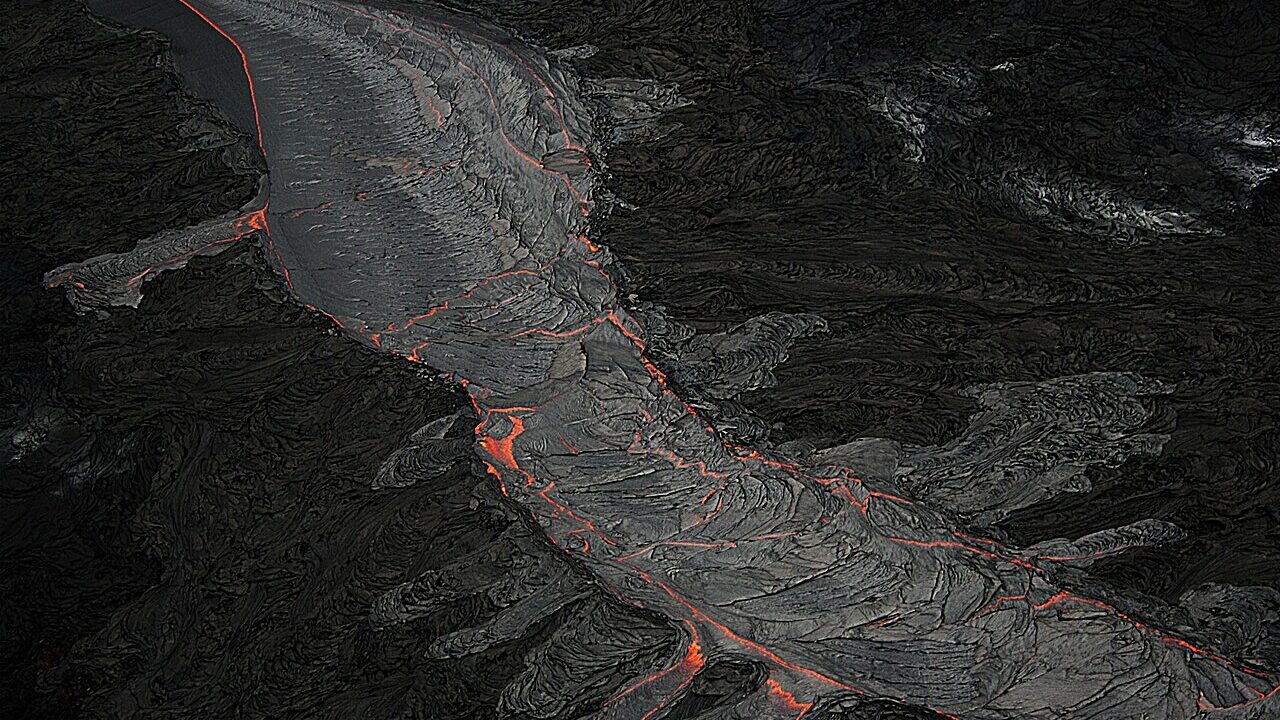
Kilauea is among the most closely watched volcanoes on Earth. A dense web of instruments — seismometers, GPS stations, gas sensors, webcams — reports its moods continuously, and “unrest” has a specific meaning in that context: patterns of earthquakes, ground deformation and gas emission that say magma is moving, without yet saying where it will stop. The summit has cycled through eruptive episodes repeatedly in recent years, filling and draining its lava lake in displays that park visitors, in calmer phases, queue to watch.
Trail closures are the park’s standard first response, because the hazards of a summit eruption arrive faster than a hiker can retreat: volcanic gases concentrate unpredictably, ballistic fragments can fall around vents, and the caldera floor’s stability changes with the volcano’s plumbing. The indefinite wording is also standard — closures lift when the instruments, not the calendar, say so.
For Hawai’i Island, Kilauea’s moods are both spectacle and neighbour. The 2018 lower East Rift Zone eruption destroyed hundreds of homes; the summit activity of recent years has been comparatively contained within the park, but every veteran resident reads the same monitoring dashboards the scientists publish.
The trails will reopen when the mountain settles. Until then, the park offers its overlooks, its webcams and its standing lesson: at Kilauea, the ground itself is a work in progress, and the public is welcome to watch — from the distance the instruments prescribe.
Visitors planning trips should read the closure as information rather than disappointment. Hawai’i Volcanoes remains open across most of its 330,000 acres, and an unrest phase is, for the volcano watcher, among the most instructive times to learn the landscape — the park’s rangers interpret the monitoring data daily, and the webcams on the caldera rim transmit what the trails currently cannot. The volcano will make its own schedule, as it has for the half-million years it has been building the island. The trails are closed so that when the mountain next speaks, it speaks to instruments and empty ground.