Pakistan-Afghanistan Border Fighting Flares Again as Crossings Shut
Pakistani forces and Afghan Taliban fighters exchanged fire for hours along the two countries’ border on Saturday, the latest flare-up in a cycle of militant violence and retaliation that has closed every major crossing and stranded thousands. The fighting erupted on October 17 along the Upper Kurram-Paktia frontier after Pakistani Taliban militants tried to cross into Pakistan from Afghanistan, according to Zark News.
Pakistani security sources alleged that Afghan Taliban forces opened fire to facilitate the militants’ crossing. Afghan officials have refuted the accusation, maintaining that they do not support cross-border militancy. An attack on a police compound in Khyber Pakhtunkhwa had already prompted Pakistan to strike targets inside Afghanistan earlier in the month, further escalating the confrontation.
Crossings closed, civilians stranded
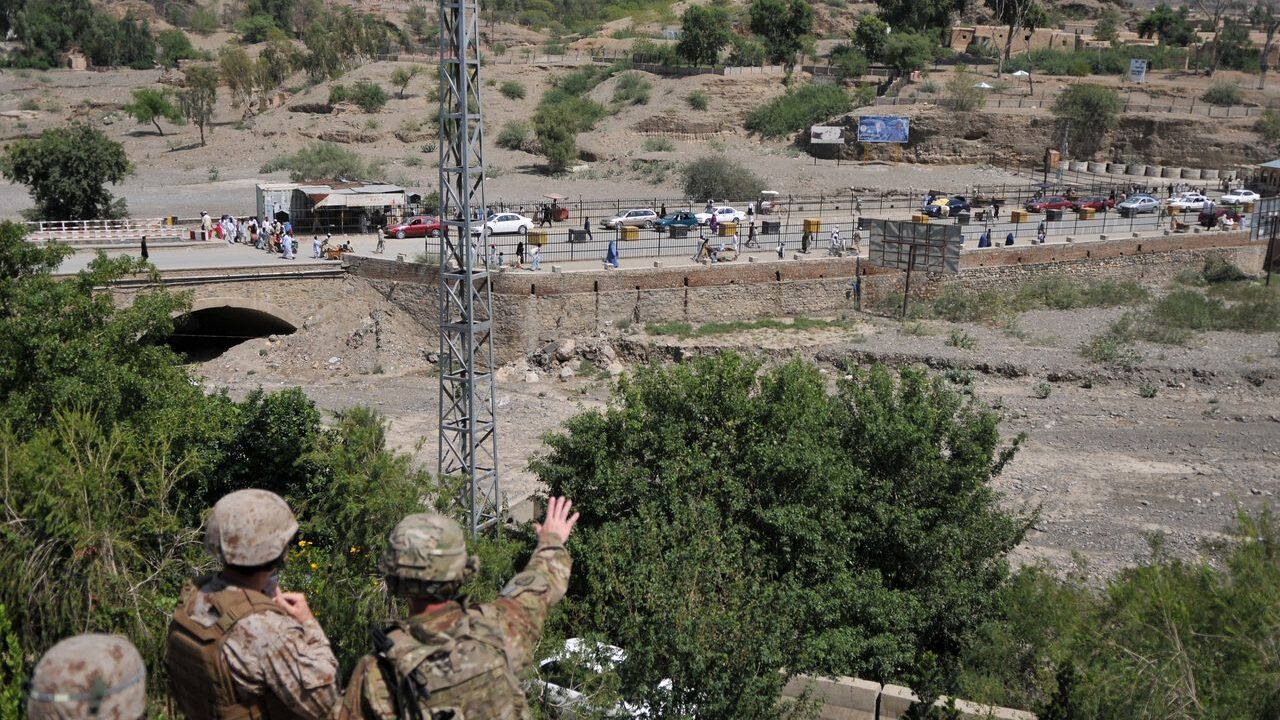
The immediate human cost is visible at the border. The Torkham and Chaman crossings were shut, leaving hundreds of passengers, dozens of cargo trucks and medical patients stranded, according to the South Asia Times via Tolo News. For landlocked Afghanistan, the closures cut a lifeline: trade in food, medicines, construction materials and other essential goods has ground to a halt, and patients who depend on hospitals across the border cannot get through.
The province sharing the border, Khyber Pakhtunkhwa, is under federal emergency rule, raising the stakes of any miscalculation. Afghan families also face displacement amid Pakistan’s accelerated repatriation policy, while Afghanistan confronts severe humanitarian pressures, including food insecurity, child malnutrition and restrictions on girls’ education.
A ceasefire that did not hold
This is not the first round. Earlier in October, sustained confrontations in the border area killed more than 70 people and injured hundreds in a single week, according to United Nations figures. That prompted mediated negotiations involving Qatar and Turkey, which produced a temporary ceasefire agreement, but follow-up talks failed to yield a durable arrangement and the border has remained closed since mid-October.
A September diplomatic initiative involving Turkey and Qatar had sought to ease tensions between Islamabad and Kabul, and the region’s conflicts keep intersecting. The immediate test now is whether the crossings reopen or stay shut, and whether the fighting holds at the level of intermittent gunfire or spirals into a sustained artillery campaign along the Kurram sector. Neither side has shown willingness to step back first.