
Both offices denied it. But the Axios report that Benjamin Netanyahu and Donald Trump privately debated an Iran strike — and that Washington’s support was not guaranteed — has exposed a real and consequential divide, denied or not.
According to the reporting, Mr Netanyahu pushed the American president on the question of striking Iran, and came away without the assurance he sought. Both governments issued denials, but Israeli media added texture: Ynet reported no strike is expected before Israel’s October 27 elections, while Channel 12 described American reluctance in detail, according to coverage of the Israeli reporting.
Why the denials don’t settle it
Denials are the native language of pre-strike diplomacy — neither government would confirm such a debate even if it happened exactly as reported. What matters is the underlying picture: an Israeli prime minister facing elections and polling 49–53 of 120 Knesset seats, and an American president weighing energy prices, midterms and a public tired of foreign entanglements.
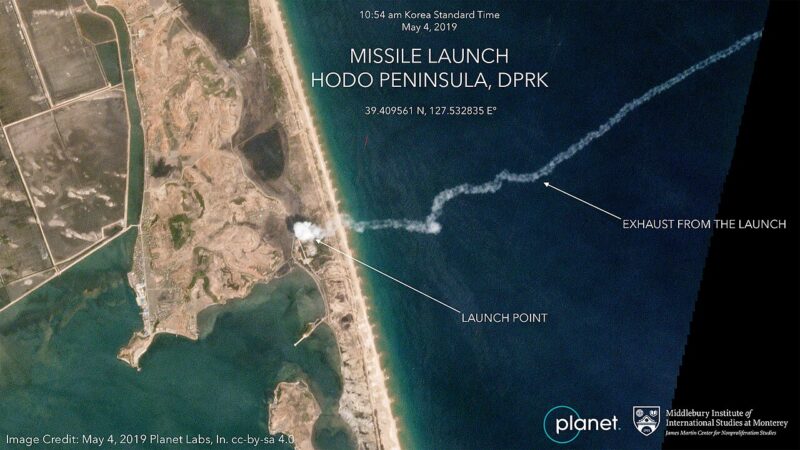
The context is a region already on edge: American carriers have cycled through these waters, Hormuz shipping is under attack, and North Korea is firing missiles of its own. A US-Israel split over Iran would be the most consequential crack in the alliance in years.
What to watch
The October 27 elections are the near-term clock: Israeli officials suggest nothing moves before then, and Mr Netanyahu has little incentive to force a confrontation with Washington while campaigning. After that, the question returns — and the denials will be tested against events.
The deeper issue is structural. Israel views a nuclear-capable Iran as an existential threat; the United States, under Mr Trump, views another Middle East war as a political and economic risk it cannot afford. That gap did not open this week, and it will not close with a denial. It will be managed — or it won’t.