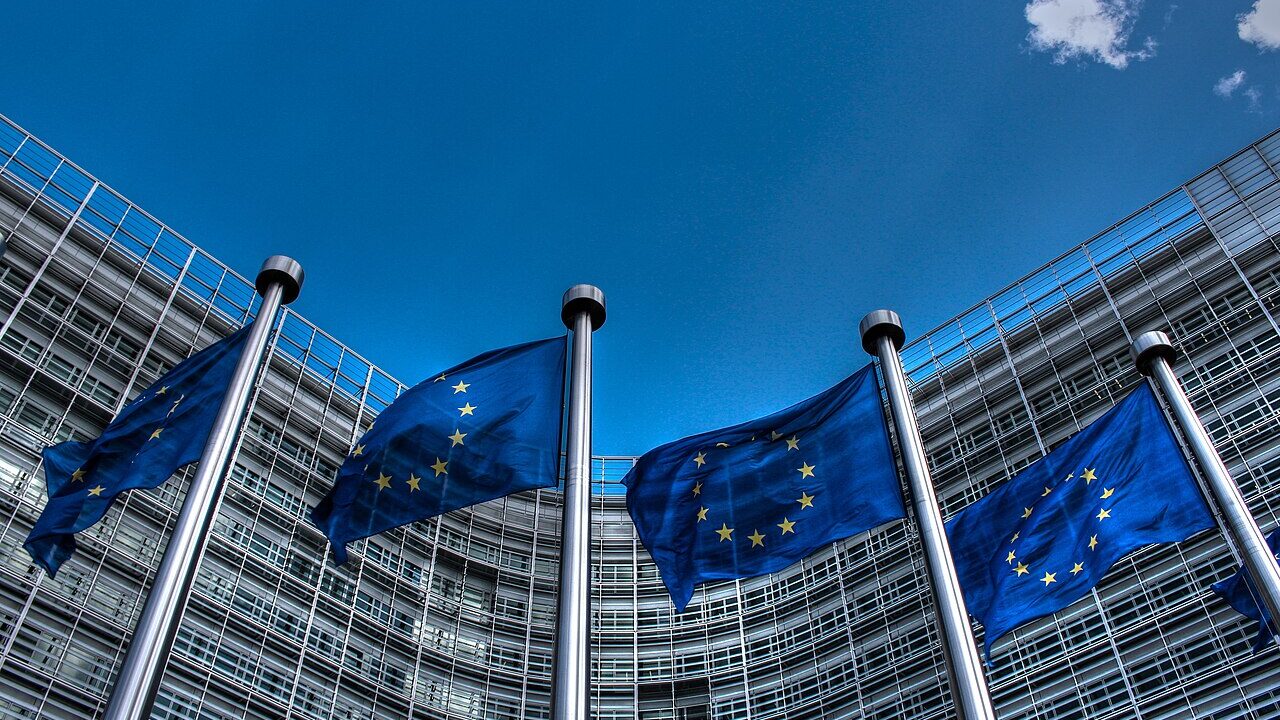
EU leaders ended their October 15–16 summit in Brussels without a deal on the bloc’s 2028–34 budget or new concrete funding commitments for Ukraine’s 2027 needs, sending both issues back for further work. Ukrainian President Volodymyr Zelenskyy had asked for at least €70 billion in additional support for 2027, saying the war would cost his country about €155 billion that year. Instead of pledging new money, leaders asked the European Commission to prepare a proposal addressing Ukraine’s financing needs — and scheduled a special summit for November 26.
The request came on top of a €90 billion EU loan already covering 2026 and 2027. Leaders said Ukraine’s 2026 budgetary and defence needs had funding identified, but the possible use of immobilised Russian assets — roughly €185 billion held at Euroclear, which Belgium has blocked from deployment — and how any further costs would be shared remained unresolved. Energy and migration policy produced open clashes among leaders, reflecting divisions over how to share the costs of both the war and rising migrant arrivals.
The budget fight behind the Ukraine fight
The long-term budget talks exposed continuing disagreements over size, spending priorities and national contributions. The Commission initially proposed about €1.76 trillion; Ireland, holding the rotating presidency, offered a revised €1.62 trillion. Germany, Sweden and other big contributors want tighter limits, while southern and eastern states are defending farm subsidies and regional development funds. Leaders reiterated their aim of a deal by the end of 2026, with legislation in place during 2027 so funding continues uninterrupted from January 2028.
What comes next
Leaders did find common ground on trade, agreeing to push ahead with new defence tools aimed at protecting European industry from Chinese competition. But on the two biggest questions — who pays for Ukraine next year, and how big the EU’s own budget should be — Brussels left with homework, not answers. Zelenskyy arrived in Brussels after a public falling-out with President Trump over Washington’s easing of Russian diesel sanctions; with US support uncertain, the pressure on Europe’s backers is only growing.