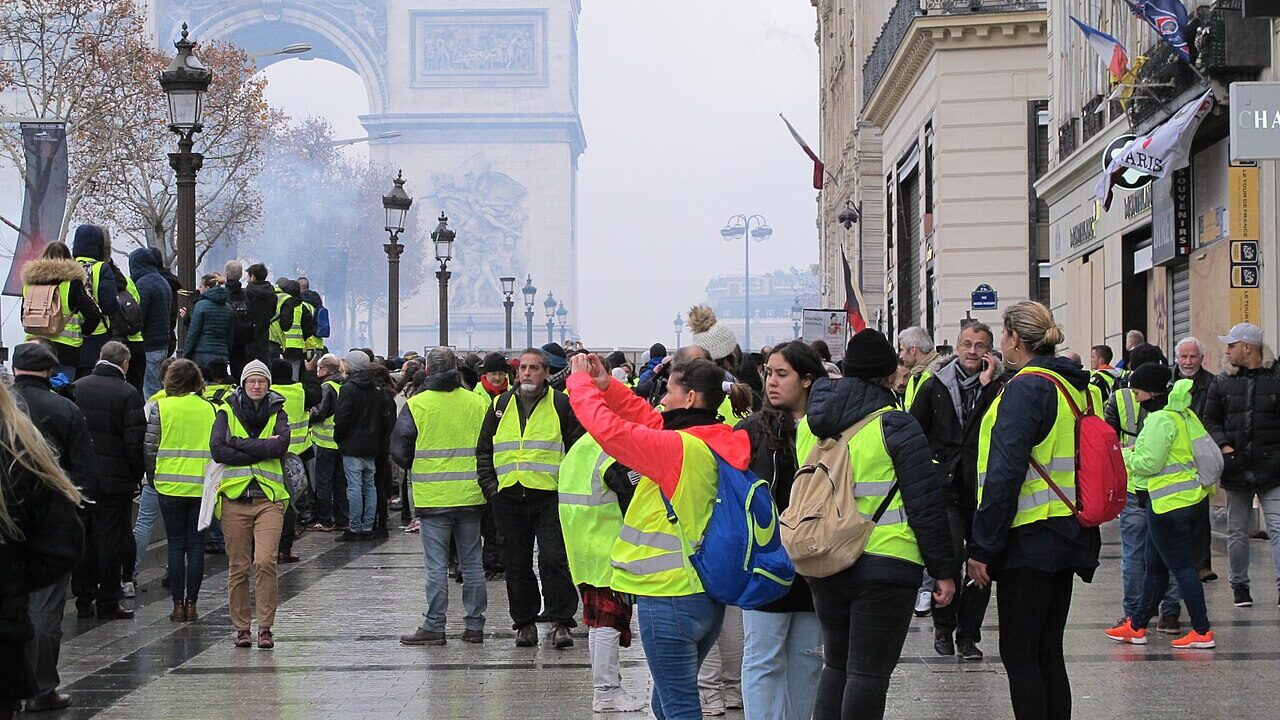
Europe’s response to riot damage is spreading beyond France, and the French bill is now part of a continental argument about parents, platforms and punishment. In France, the Senate passed a rioters pay bill by 229 votes to 105 that would make people in violent groups liable for up to 10,000 euros, with recovery through benefit deductions. In other Western European countries, governments are exploring similar ideas: parental liability for children’s damage, benefit deductions for riot costs, and rapid removal of social media content that calls people to the streets. The French bill, if it survives the National Assembly, will be the most far reaching example, and other governments will watch its fate closely.
The European dimension is not theoretical. Spanish fact checkers found calls for Halloween protests in 46 cities in at least nine European countries, showing how a protest call can travel across borders faster than any parliament can legislate. France Senate, on Tuesday, approved a separate bill allowing rapid removal of content calling for insurrection or armed action, a power that, if used broadly, could affect speech far beyond riot planning. Other European governments, facing their own cost of living protests and their own riot damage, are asking the same question France asked: how to deter the next riot without criminalising the next peaceful demonstration.
Damage figures explain the urgency, and also its limits. France saw almost 2,500 businesses damaged over the October 17 weekend, more than a thousand ransacked, looted or set on fire, with damage near a billion euros. After riots in 2023, insurers paid 793 million euros on 16,400 claims. Those figures justify a debate about recovery. They do not, by themselves, justify joint liability or benefit deductions, because the people who caused the damage are often not the people who can pay, as the Senate report acknowledged. A system that cannot collect from rioters will collect, if at all, from their families, which is why critics call the bill regressive.
Parents as the new frontier
Parents are the new frontier in European riot policy. French law already holds parents generally liable for damage caused by children under 18, and the bill would allow recovery from family benefits once a court ruling is final. Other countries are considering similar extensions, on the argument that parents bear responsibility for children who join violent crowds. Critics answer that many parents cannot control teenagers in a crowd, that benefit deductions punish siblings and households, and that a 57 euro monthly deduction taking 14 years to repay 10,000 euros is a lifetime penalty for a single night. The Europe riot liability debate therefore turns on a moral question as much as a legal one: should a family pay for a riot it did not organise, attend or endorse.
Platforms are the second frontier. Rapid removal powers, algorithmic video surveillance and judicial drones, all included in the French package, give the state tools to identify participants and to remove calls to action before a protest begins. Supporters say those tools prevent violence. Critics say they chill speech, because a protest call removed as insurrection may have been a peaceful demonstration in planning. The balance between prevention and speech will be litigated in courts long after the National Assembly votes, and the European Court of Human Rights may ultimately set limits that national parliaments cannot.
What other capitals will learn
Other capitals will learn from France Assembly debate whether joint liability and benefit deductions are politically sustainable, legally defensible and practically collectable. If the Assembly narrows the bill and it still deters riots, other governments may copy the narrowed version. If the Assembly passes the Senate version intact and courts strike it down, other governments may avoid the experiment. If the Assembly rejects it, France will have to find another way to pay for riot damage, through insurance, state funds or individual prosecutions. Europe is watching France not because France is unique, but because France is first.