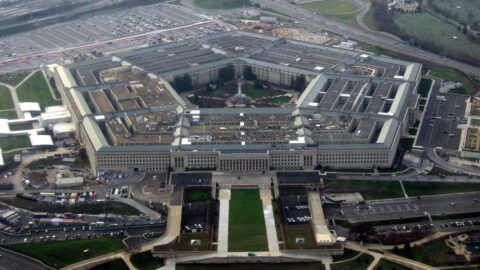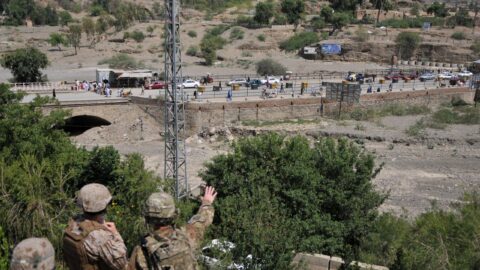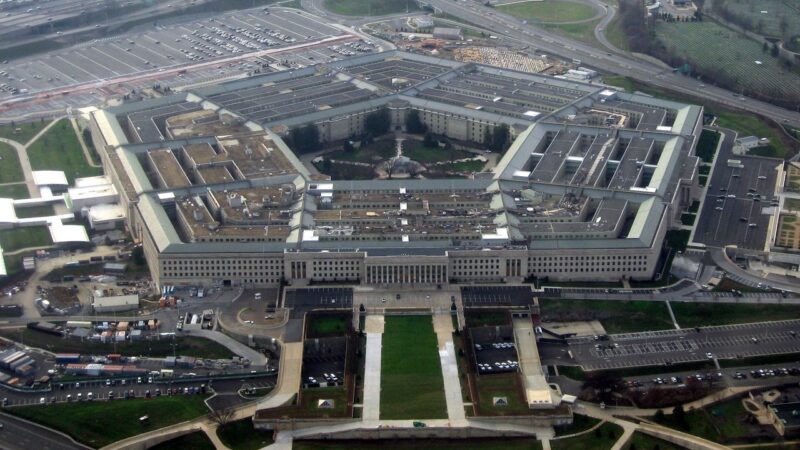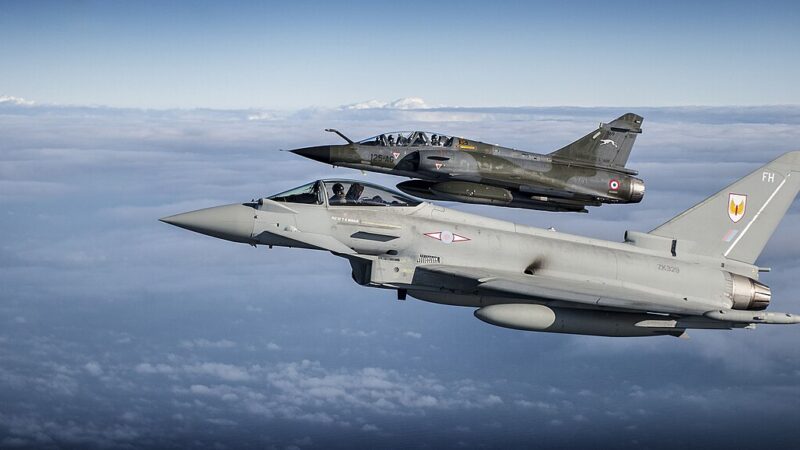
The reports are consistent on the core fact: the United States and Israel are actively planning for a possible military strike on Iran. What remains deliberately unclear is whether the planning is the prelude to action or the action itself, a pressure campaign designed to coerce Tehran without firing a shot. Understanding that ambiguity is the key to reading this week’s escalation.
Consider the signals. NPR’s reporting on joint US-Israeli planning cites officials familiar with the discussions. President Trump tells an Iowa rally that war could be finished “very soon” but might resume after the midterms. The administration invokes the Defense Production Act for refining capacity and accuses Iran of manipulating oil markets. Iran’s foreign minister says Tehran is as ready for diplomacy as for war. Each statement is aimed at multiple audiences at once.
Coercion or countdown
Strategists distinguish between compellence and war planning, but the two look identical from the outside. A credible threat requires visible preparation: moving assets, briefing allies, leaking timelines. The reported “early November” window may be real, or it may be the kind of deadline designed to focus minds in Tehran and in European capitals. The Istanbul talks on Hormuz shipping security, happening today, are the diplomatic track running in parallel.
The oil market is the tell. Brent above 114 dollars shows traders are pricing real risk, not just rhetoric. But markets also know that talk of Gulf war is itself a price driver, which gives Washington an incentive to talk loudly whether or not it intends to act. The ambiguity is the strategy.
What to watch
Three indicators matter more than the rhetoric. First, asset movements: real strikes require real positioning. Second, the Istanbul track: if diplomacy produces anything, the temperature drops fast. Third, the midterm calendar: Trump’s own framing ties action to the election, which means the next two weeks are the window. Our earlier analysis of the strike planning laid out the military options, and coverage of the region’s overlapping crises frames the context. NPR’s briefing has the latest on the planning reports.