The Trump administration is blocking international election monitors from observing the November midterm elections, the first such refusal in two decades, according to reporting on the decision. The monitors in question come from the Organization for Security and Co-operation in Europe (OSCE), whose election observation missions have been a routine, largely uncontroversial feature of American elections since the early 2000s.
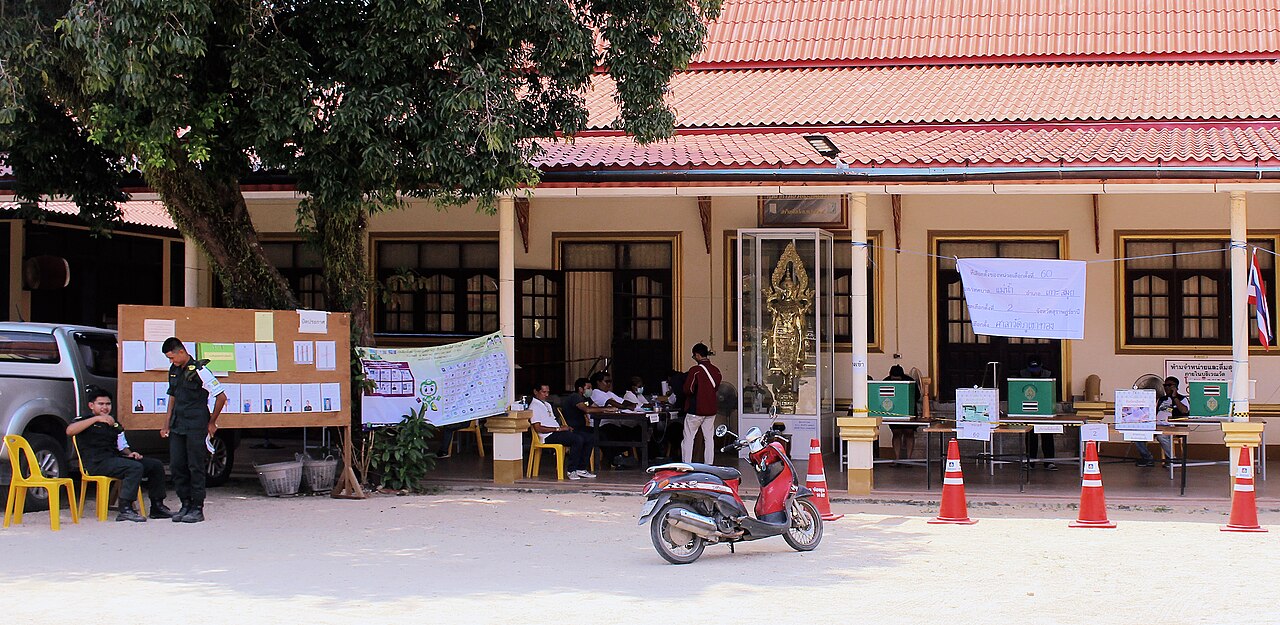
OSCE observation is reciprocal by design: the United States sends observers to elections across the OSCE’s 57 participating states and receives them in return. Missions are small, technical and observational — they do not run elections, certify results or intervene in disputes. Their reports typically assess whether voting, counting and complaints processes meet the commitments member states have made to each other.
The refusal therefore carries symbolic weight beyond its practical effect. American elections are administered by states and counties, and thousands of domestic observers, party poll-watchers, journalists and court-supervised processes already watch them. What changes is the international signal: a country that has spent decades urging others to admit monitors is declining to admit them itself.
Administration allies frame observation as a sovereignty question and note that nothing in law requires the federal government to facilitate foreign missions. Critics respond that the United States helped build the OSCE observation system precisely so that democracies could demonstrate, rather than merely assert, the integrity of their elections — and that refusing access invites the question of what there is to hide, particularly in a cycle already shadowed by disputes over voter-registration investigations and election administration.
State officials retain authority over much of what happens in polling places, and some observation activity may continue at state invitation. But the federal signal has been sent, and for the first time in twenty years, the international community will watch this American election from outside the room.
The decision also lands in a specific domestic argument. This cycle has already featured disputes over investigations into voter-registration organizations, litigation over election procedures, and a running fight about the neutrality of election administration itself. Into that argument, the monitors’ absence introduces a new fact for both sides: critics will cite it as evidence of a deliberate closing of the blinds; supporters will ask why American elections need foreign validation at all. Both readings will be deployed in November’s inevitable disputes, which is precisely why the routine presence of neutral observers was designed, decades ago, to settle them.