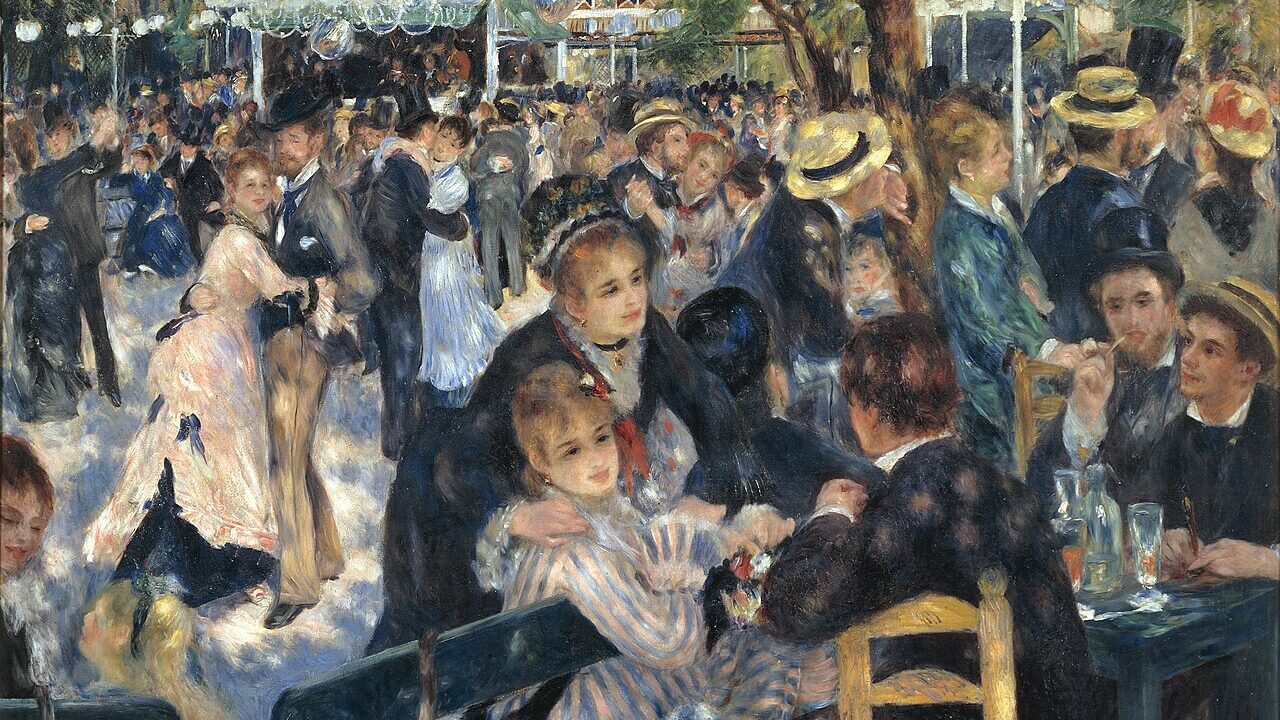
French authorities have recovered two paintings by Pierre-Auguste Renoir that were stolen from a museum last month, and six suspects are in custody in connection with the theft, according to statements reported from France. The mayor of Cagnes-sur-Mer publicly praised the investigators who tracked down both the works and the alleged perpetrators.
Art theft occupies a strange corner of crime: the works are priceless in cultural terms yet notoriously difficult to sell, since famous paintings cannot be shown, auctioned or openly traded. Stolen masterpieces tend to surface years later, move through criminal networks as a form of underworld currency, or — as appears may have happened here — are recovered quickly when police work moves faster than the thieves’ ability to place them.
Officials have released limited detail about how the paintings were located, which is customary while a case proceeds: premature disclosure can compromise prosecutions and reveal methods useful in other investigations. The condition of the recovered works will matter greatly to the museum and its insurers; paintings removed hastily from frames or stored improperly can suffer damage that takes conservators months to address.
The arrests also cast a light on museum security across France, where regional museums hold works of international significance with a fraction of the protective infrastructure of national institutions in Paris. Each high-profile theft prompts the same cycle of review — alarms, glazing, staffing, response protocols — and the same uncomfortable question about how much protection small museums can afford.
For now, the essential facts stand: the Renoirs are recovered, six people are in custody, and the investigation continues. The museum has not yet announced when the paintings will return to public view.
The economics of famous stolen art explain both the crime and its usual futility. A Renoir is simultaneously one of the most valuable portable objects on earth and one of the least liquid: it cannot be exhibited, authenticated for sale, or insured by its holder, and every specialist dealer and auction house on the planet will be watching for it. That is why recoveries like this one, when they come quickly, usually trace back to the thieves’ weakest link — the attempt to find a buyer. Investigators rarely discuss which link broke here, and the case against the six in custody will be built in private. The paintings, once conserved and authenticated, will go back on a wall. The wall’s owners will likely hang them behind better glass.