
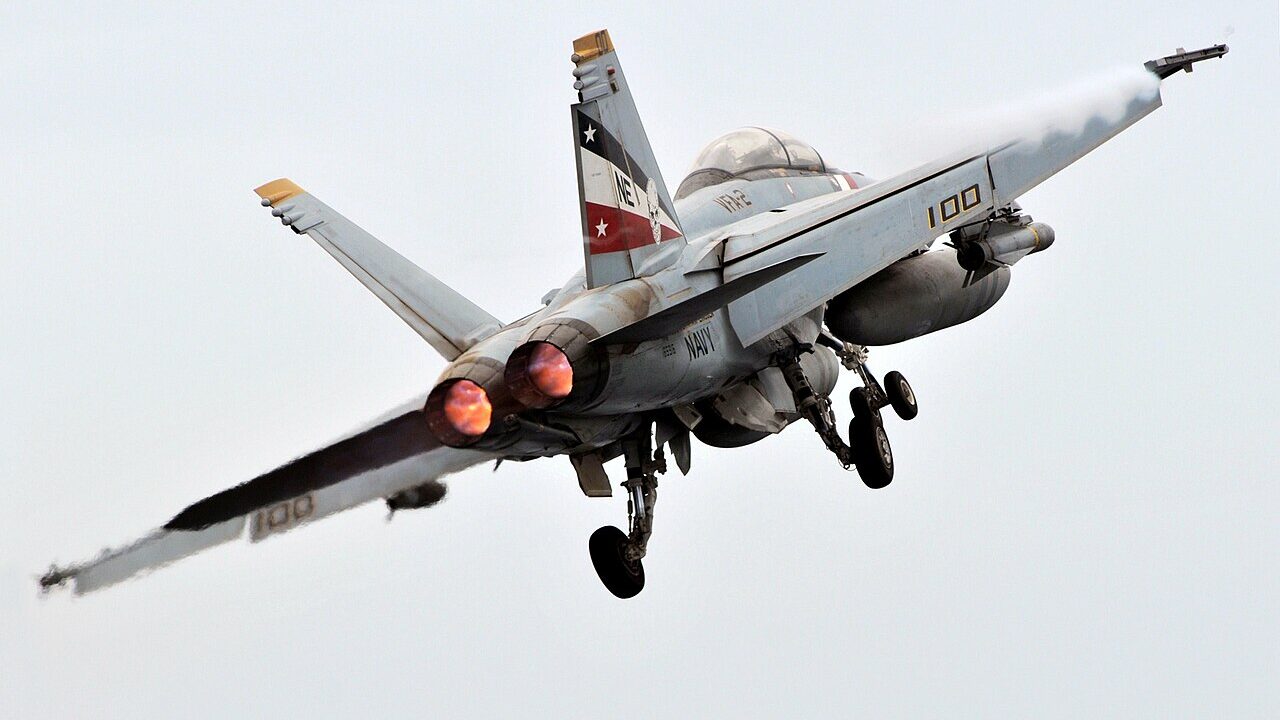
The aircraft carrier USS Abraham Lincoln returned to its home port of San Diego this week, ending a deployment that began on November 21, 2025 and stretched to roughly 320 days — close to the longest carrier deployment since the Vietnam era, according to reporting on the homecoming. The ship’s return closes a chapter that coincided with the outbreak and escalation of the Iran war, during which the carrier group operated under wartime tempo in and around Middle Eastern waters.
Long deployments exact a compounding toll. Reporting on the Lincoln’s return described food shortages and logistical strains accumulating over the deployment, alongside the morale and mental-health concerns that accompany nearly a year away from home. Carrier deployments of this length were once rare; the post-Vietnam record has been approached repeatedly in recent years as global commitments outpaced the number of available hulls.
The homecoming matters beyond one ship. Carrier presence is the most visible instrument of American power projection, and the rotation of the Lincoln out of theater raises immediate questions about which carrier, if any, relieves it, and how the Navy sequences maintenance after an extended wartime deployment. Ships returning from deployments of this length typically face intensive maintenance periods, and crews face the accumulated effects of months at high readiness.
For the families on the pier in San Diego, the strategic debate is secondary. A 320-day deployment spans birthdays, holidays, school years and, in some cases, the births of children the sailors are only now meeting. Navy officials typically mark such returns as both an operational milestone and a human one.
The Lincoln’s deployment also enters a wider Washington argument about carrier fleet size, shipyard capacity and whether deployment lengths approaching a year can be sustained without breaking retention. For now, the ship is home. What the Navy asks of her next — and how quickly — will say much about the state of the fleet.
Homecomings of this scale also reset the arithmetic of the carrier force. Every month a carrier spends deployed is a month added to the maintenance she will need before deploying again, and every maintenance period is a gap another hull must cover. The Lincoln’s return will therefore ripple through schedules years from now — through the shipyard periods booked around her, the air wing’s training cycle, and the deployment calendar of the carriers that stayed home this time. The families celebrating on the pier have earned their day outside that arithmetic, but the Navy’s planners cannot afford the same holiday from it.