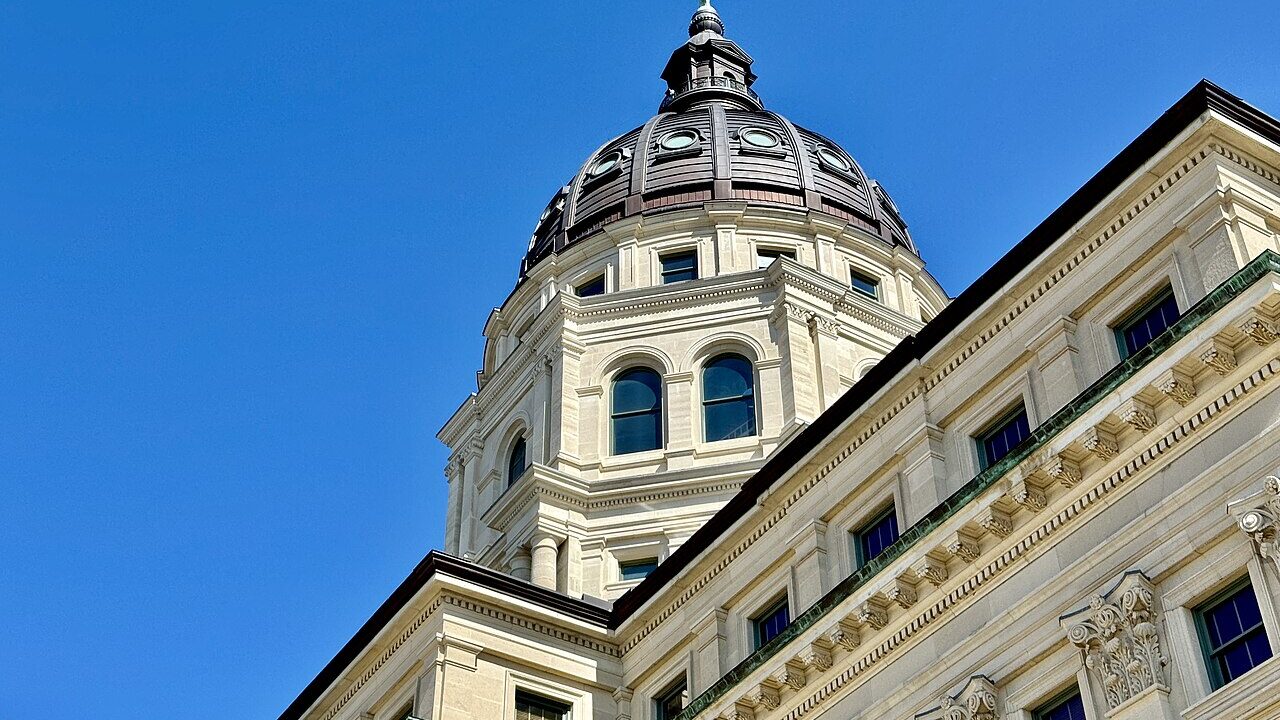
The Cook Political Report has shifted Kansas’s Senate race from “lean Republican” to “toss-up”, according to coverage of the ratings change this week — a notable move in a state that has not elected a Democratic senator in generations and that national Republicans expected to defend without serious difficulty.
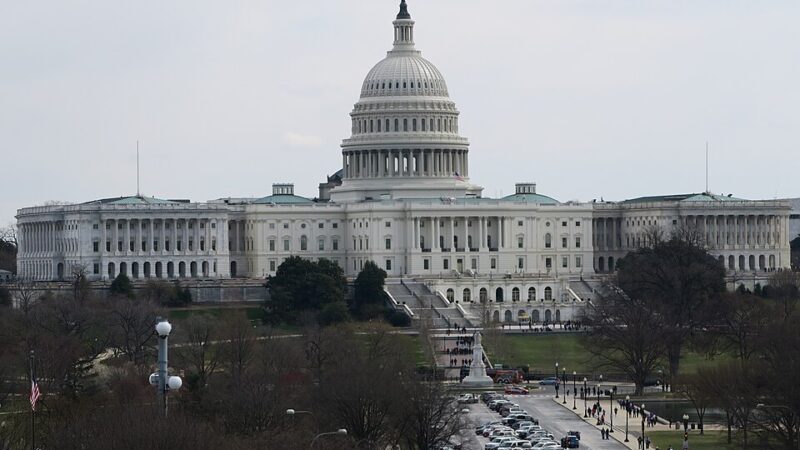
Ratings changes are signals, not results. Cook’s move reflects its analysts’ judgment that the race’s fundamentals — candidate quality, fundraising, polling and the national environment — no longer justify assuming a Republican advantage. It follows months in which the midterm map has steadily darkened for the president’s party: forecasters and prediction markets currently favor Democrats to retake at least one chamber of Congress, and competitive ratings have appeared in places Republicans once treated as safe.
Kansas has form here. The state has repeatedly elected Democratic governors even while voting Republican for president, and its electorate includes a substantial bloc of suburban voters whose support has become contestable. A toss-up rating does not predict a Democratic win; it announces that the race will be fought, funded and polled like one, with outside money likely to follow the designation.
The practical consequences begin immediately. National party committees allocate resources by ratings, and a toss-up in Kansas forces Republicans to spend defensively in a state that was supposed to finance offense elsewhere. It also changes the psychology of the final month: every subsequent poll in the state will now be read as a referendum on whether the shift was real.
For now, the honest summary is the rating itself: a race in a historically red state that the most-watched nonpartisan forecaster in American politics no longer believes Republicans are favored to win. November will grade the judgment.
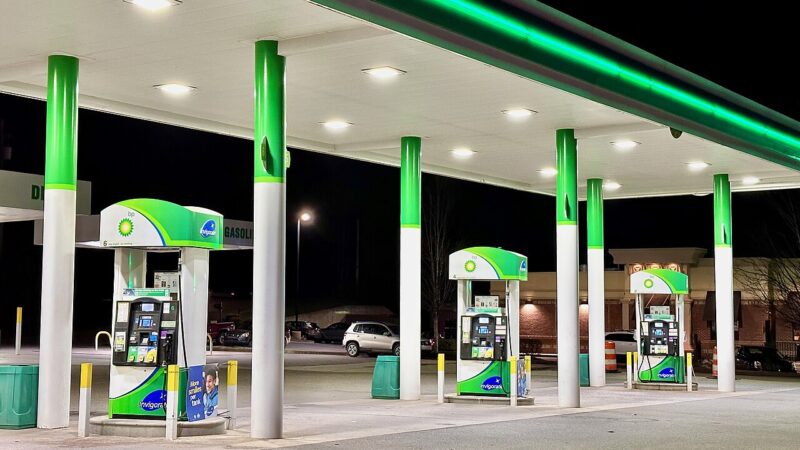
Kansas also exposes a widening feature of the midterm environment: races are tightening in states where the president’s party expected comfort, while the issues cutting against it — fuel prices above all — are national rather than local. A candidate in Kansas cannot run against diesel at $6.53 a gallon, but the voter at the pump in Wichita is pricing the same shock as the voter in Pennsylvania. When the environment moves uniformly, fortresses become fronts. Cook’s analysts are paid to notice that before the spending does, and their Kansas call is best read as a diagnosis of the environment wearing a state’s name.