
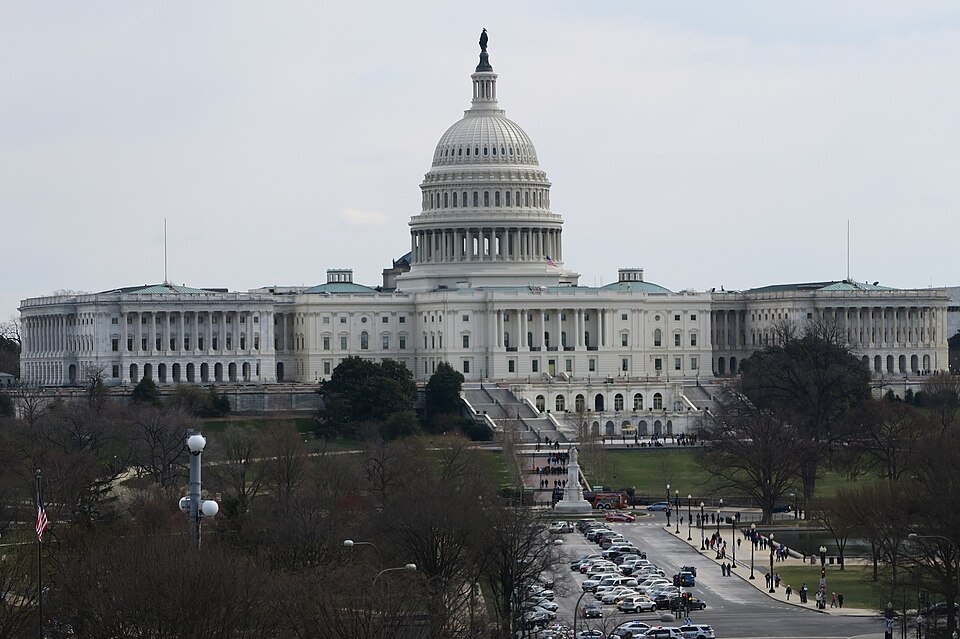
House Speaker Mike Johnson, asked in a television interview this week what his future holds if Republicans lose the House in November’s midterms, allowed himself a moment of unusual candor for a man in the middle of a campaign: he does not know. Johnson suggested that if the majority goes, his next chapter might be back in Louisiana — half-joking that he could start a lawn business in his hometown of Shreveport with the same fervor he brings to the speakership.
The remark is notable less for any decision it signals than for what it acknowledges. Speakers do not usually muse publicly about life after the gavel a month before an election their party might lose. Johnson quickly returned to the standard script, insisting he will be speaker in the next Congress and declining to discuss scenarios in which Republicans fall short. But the honest aside captured something real about the Republican position: control of the House is genuinely in doubt, and everyone in the building knows it.
Forecasters rate the House as highly competitive, with prediction markets currently favoring Democrats to retake at least one chamber. Gas prices, shaped by the ongoing regional war and its effects on energy markets, sit at the top of voter concerns, and some Republican candidates in marginal seats have been visibly distancing themselves from the administration’s handling of those costs. The president, for his part, is expected to campaign in friendly territory — Florida, Texas and Alaska among the reported stops — shoring up the base rather than persuading the middle.
Johnson’s own position would be precarious even in victory: he has governed with one of the smallest majorities in modern history, and a shrunken majority would intensify the internal pressures that have defined his tenure. In defeat, the speakership passes to the Democrats and Johnson’s future becomes a genuinely open question.
For now, it is a lawn in Louisiana, offered as a joke that wasn’t entirely one. The voters decide in November how much truth it holds.
There is a structural point beneath the personal one. The modern speakership has become nearly ungovernable in defeat and barely governable in victory: Johnson has survived this Congress by margins that left him hostage to his most restive members, and the office’s recent history — a speaker ousted, successors ground down — offers no model of a dignified afterlife. His candor about Shreveport may simply be the realism of a man who has read that history from the chair. Either way, the interview did what such moments do in October: it told the truth about the stakes a month early, while there is still time for the truth to change.