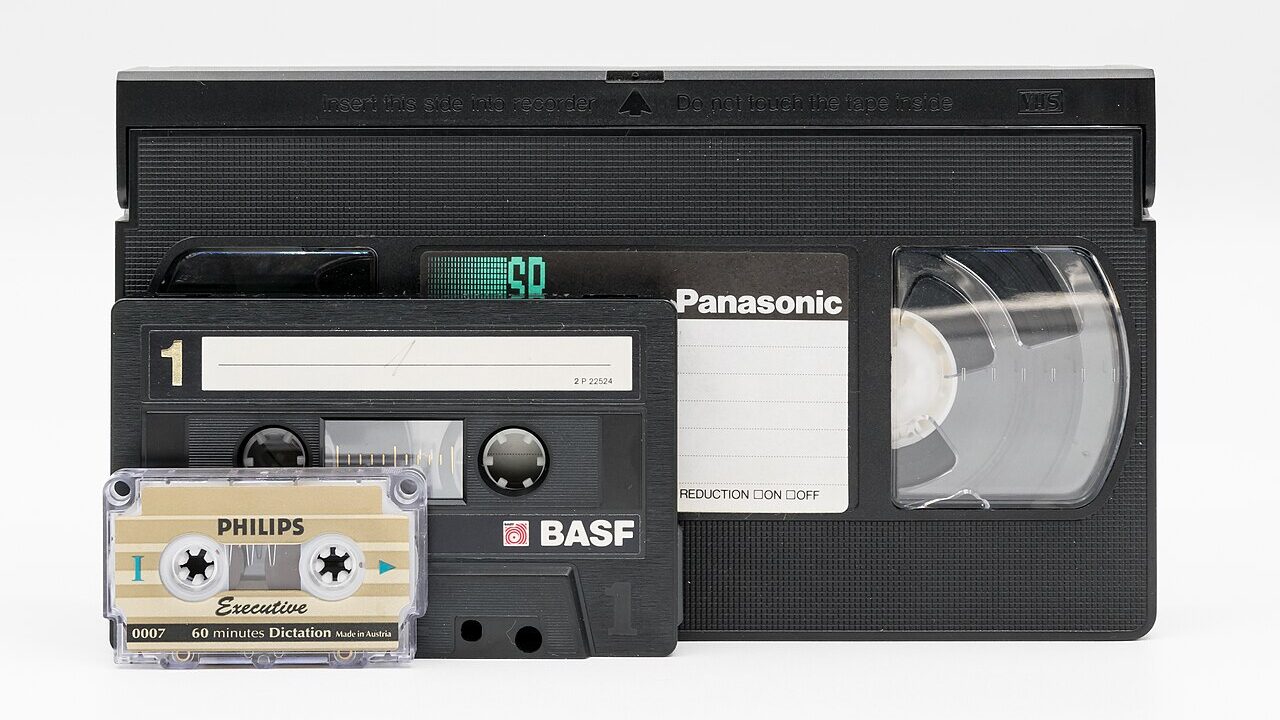
The ninth entry in the “V/H/S” found-footage franchise, “V/H/S/Mixtape”, began streaming on Shudder this week after a world premiere at Beyond Fest in Los Angeles on September 30 that drew mostly positive reactions, according to release coverage. The anthology’s segments are directed by Ernest Dickerson, Renee Zhan, David Moreau, RZA, Flying Lotus and Swedish musician Tobias Forge, and are organized around a unifying device: music, rhythm and audio as instruments of horror.
The franchise’s durability is its own story. The original “V/H/S” was a 2012 Sundance curiosity built on a then-novel premise — haunted videotapes as an anthology frame — and the series has since become horror’s most reliable anthology platform, launching directors and absorbing subgenres as they rise. Found footage was supposed to die with the camcorder; the format instead adapted to doorbell cameras, livestreams and now, in this installment, the soundscape itself.
The “Mixtape” concept lets the installment play with horror’s oldest tool. Sound has always done the genre’s heavy lifting — the off-screen noise, the wrong note — and an anthology structured around audio gives six very different filmmakers a shared constraint to violate in six different ways. The director list, spanning a veteran of “The Wire” and “Juice”, a Wu-Tang auteur and the frontman of Ghost, is the franchise’s usual bet that horror is healthiest when it is handed to people from outside the genre’s farm system.
Shudder’s October programming — the service’s self-described Super Bowl — reliably converts anthology premieres into its biggest weekends of the year. “Mixtape” arrives positioned to be exactly that.
Nine films in, the tapes are still worth rewinding. The franchise’s lesson for horror at large: cheap, strange and well-curated beats expensive and safe, every October.
There is an economics lesson in the franchise’s endurance. Each “V/H/S” installment costs a fraction of a studio horror feature, returns its money on a devoted subscriber base, and functions as a talent incubator whose graduates repay the genre for years. The anthology format, pronounced dead with the portmanteau films of the 1970s, turned out to be perfectly shaped for streaming: segmented, rewatchable, discussion-friendly and endlessly reprogrammable every October. “Mixtape’s” audio conceit gives this entry a critical hook, but the machine underneath is the same. Horror’s most durable franchise may be the one built from tapes everyone was supposed to throw away.