Pakistan Imposes Emergency Rule in Khyber Pakhtunkhwa as Political Crisis Deepens
Pakistan’s federal government has imposed emergency rule and governor’s rule in the northwestern province of Khyber Pakhtunkhwa, sharply escalating a confrontation with the party of jailed former prime minister Imran Khan.
President Asif Ali Zardari approved the measures on Sunday, October 11, on the advice of Prime Minister Shehbaz Sharif and the federal cabinet, invoking Articles 232 and 234 of the Constitution, according to reports. Islamabad cited the PTI-led provincial government’s handling of counterterrorism and worsening law and order in the province, which borders Afghanistan.
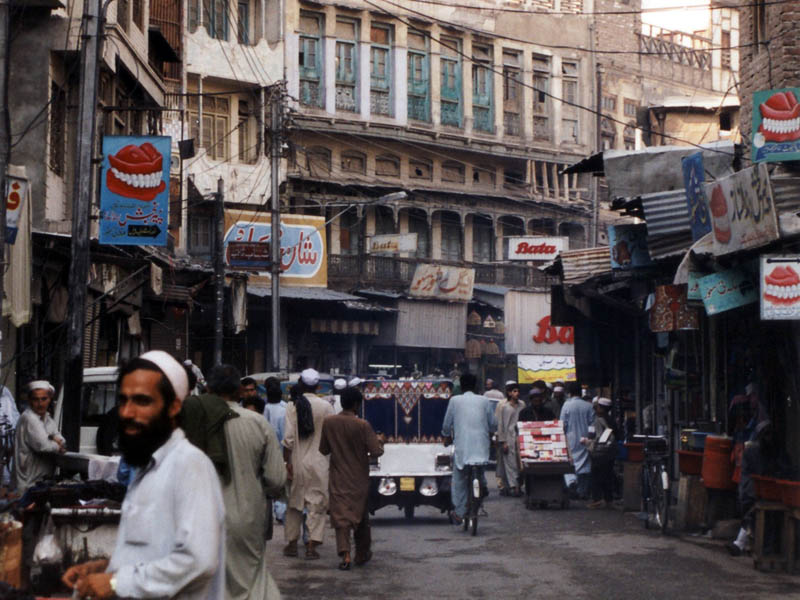
The federal government authorised the deployment of the Pakistan Army in aid of civil power. In Peshawar, the provincial capital, shipping containers blocked roads amid heavy police deployment, and mobile and internet services were disrupted in parts of the province, according to reports.
Islamabad’s case: militancy and governance
Law Minister Azam Nazeer Tarar told a news conference in Islamabad that Governor Faisal Karim Kundi would take charge with an 11-member technocratic advisory council, initially for six months. A new chief secretary, Dr. Muhammad Fakhr Alam Irfan, was appointed to run the provincial administration.
Interior Minister Mohsin Naqvi defended the intervention in stark terms, saying the security situation was “so grave that you wouldn’t see any residents coming out of their houses after evening in some of the districts.” The federal cabinet accused the provincial government of a “deliberate disengagement from the fight against terrorism,” a charge the provincial leadership rejects.
Islamabad also accuses neighbouring Afghanistan of harbouring Islamist militants who launch attacks inside Pakistan, and alleges that Khan’s party has been sympathetic to both the Taliban in Kabul and their affiliates at home. Both the Afghan Taliban and Khan’s party have denied the accusation, according to Reuters.
PTI calls it a ‘coup disguised as emergency’
Khan’s Pakistan Tehreek-e-Insaf (PTI) rejected the decision outright. The party’s chairman, Barrister Gohar Khan, and its parliamentary committee described the move as an unconstitutional assault on provincial autonomy, vowing to challenge it in the courts, in assemblies and through public forums.
The party says Islamabad has failed to provide the province with the funding and equipment it needs to fight militancy, and frames the federal action as political: the proclamation followed weeks of tension over PTI’s mobilisation demanding Khan’s release. Reuters reported that hundreds of activists and three of Khan’s sisters were detained ahead of a planned march on Islamabad.
For regional security context, see our earlier reporting on the missile strike on Riyadh airport and the London surveillance case involving two Iranian nationals, and the full wire account at TBS News.