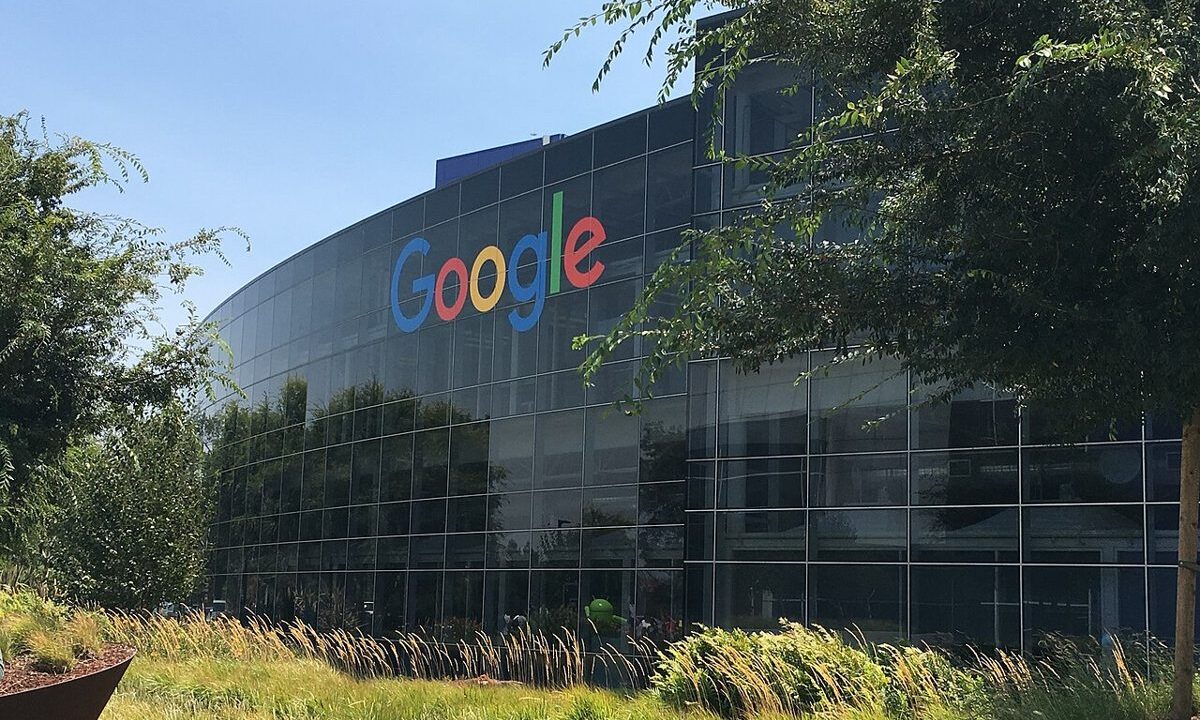
Microsoft beat, Alphabet missed, and the market’s verdict on artificial intelligence spending is now unmistakable. After the close on Wednesday, Microsoft gained about 4 percent after reporting revenue of 92.3 billion dollars against expectations of 90.7 billion, earnings per share of 4.89 against 4.73 expected, and Azure cloud growth of 48 percent, to 33.17 billion dollars. Alphabet fell about 10 percent after reporting revenue of 127.6 billion dollars against 128.2 billion expected, earnings per share of 2.67 against 3.02 expected, and capital spending of 51.4 billion dollars that pushed free cash flow to negative 9.1 billion dollars.
The contrast is not about cloud growth alone. Google Cloud grew 103 percent, more than doubling, and still the stock fell. The market punished Alphabet not for growing slowly, but for spending faster than it converts spending into cash. Microsoft spent 45.2 billion dollars on artificial intelligence capital, a large figure, but it still produced 18.6 billion dollars of free cash flow. Alphabet spent more than it brought in as free cash flow, and investors, who had tolerated heavy AI spending while revenue beat expectations, withdrew that tolerance when revenue missed. Wednesday’s market wrap captured the split: the S and P 500 and Nasdaq reached new highs on the Fed hold, while after hours trading separated the AI winners from the AI spenders.
The AI trade is no longer one trade
For two years, artificial intelligence stocks moved together, on the assumption that spending on AI infrastructure would eventually produce returns for everyone. That assumption is now being tested company by company. Oracle gained about 11 percent after hours on its own results, and chip stocks rose on SK Hynix’s record profits, with revenue up 328 percent. The market is no longer buying the theme. It is buying the companies that show spending turning into revenue, and selling those where costs run ahead of visible returns.
That shift has implications beyond two stocks. Big Tech AI related debt issuance this year is forecast above 200 billion dollars, and Bank of America expects roughly 175 billion dollars of investment grade issuance in November alone. Debt markets will now ask the same question equity markets asked on Wednesday: does this spending produce cash, and when. Companies that can answer with numbers will keep access to cheap capital. Companies that cannot will find it more expensive.
What Thursday adds
Thursday’s earnings, including Amazon and Intel after the close, and the morning’s GDP and PCE data, will extend the test. If Amazon shows AI spending converting into retail and cloud returns, the split will narrow. If it shows the same pattern as Alphabet, the split will widen, and the AI trade will become a stock picker’s market rather than a theme. Either way, Wednesday’s lesson stands: in artificial intelligence, as in any capital intensive business, spending is not a strategy. Returns are.